One of the 32 types
The Modern Patriarch
Progressive · Masculine · Restrained · Confident · Wise
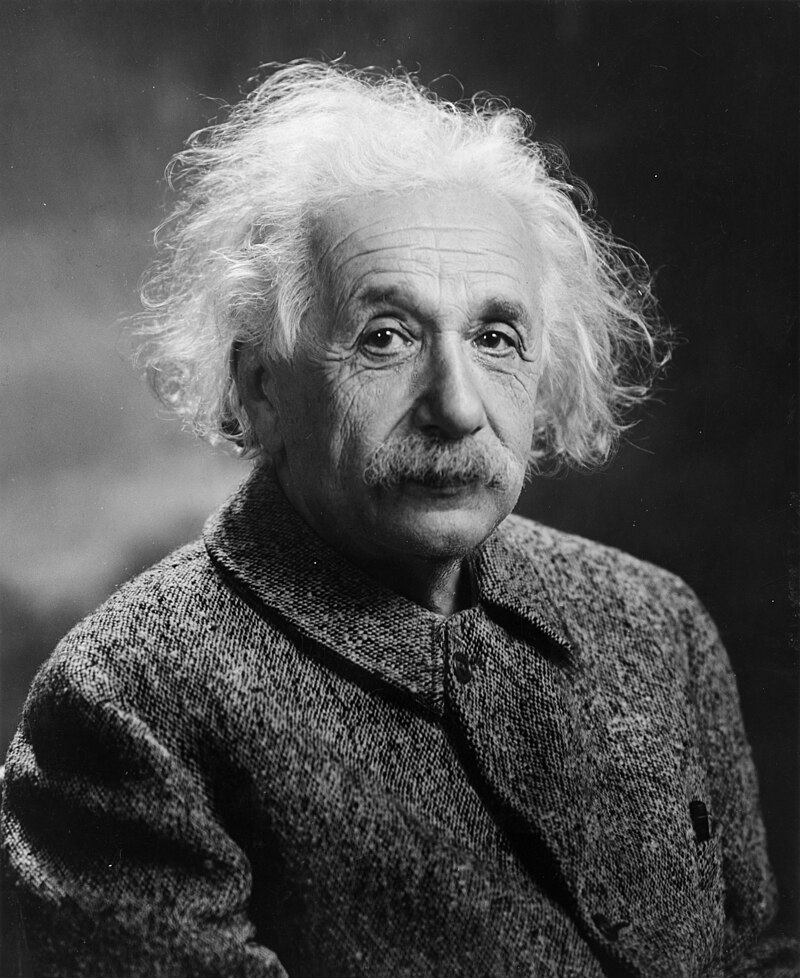
The Modern Patriarch embodies a blend of forward-thinking liberalism and steadfast masculinity, a type that navigates the world with calculated ambition and quiet strength. Drawing from progressive ideals, this individual is a visionary reformer who champions equality and innovation while grounding decisions in prudence and experience. With a stoic demeanor and introverted restraint, they exude confidence without ostentation, achieving goals through measured, organized efforts. Ambitious yet risk-averse, they protect their inner circle fiercely, blending dominance with wisdom to lead by example rather than force.
The positives
Modern Patriarchs shine as capable, self-assured achievers who drive societal progress with open-minded vision. Their liberal, reform-minded outlook fosters inclusive environments, making them natural advocates for change in modern, forward-thinking contexts. Seasoned and mature, they approach challenges with decisive prudence, turning ambition into tangible success through careful planning. Stoic and strong, they remain unflappable under pressure, inspiring trust with their protective nature and experienced insight. Confident yet restrained, these individuals excel in roles requiring strategic depth, where their organized maturity ensures reliable, high-stakes outcomes. As competitive yet fair competitors, they embody surgency tempered by wisdom, often emerging as wise mentors who elevate others while advancing their own capable agendas.
The negatives
However, the Modern Patriarch's caution can border on excessive risk-aversion, leading to missed opportunities in fast-paced scenarios where bold action is needed. Their stoic restraint might manifest as emotional guardedness, making them seem aloof in collaborative settings. Introversion, while a strength for reflection, can hinder networking, fostering a perception of elitism among more extroverted peers. Ambitious drive occasionally tips into competitiveness that prioritizes personal achievement over team harmony, and their measured pace may frustrate those seeking quicker resolutions.
In relationships
In personal bonds, the Modern Patriarch is a protective, decisive partner who values depth over superficiality. Their confident, masculine presence offers stability and wise guidance, creating secure, forward-thinking dynamics where loyalty thrives. Open-minded liberalism encourages mutual growth, while their prudent care ensures thoughtful support. Yet, stoic introversion can create emotional distance, leading to misunderstandings if partners crave more expressiveness.
Famous people likely this type
- Albert Einstein
- Angela Merkel
- Dorothy Hodgkin
- Florence Griffith Joyner
- Serena Williams
- Steven Spielberg
- Warren Buffett
Share your type
The link opens this type's page: its name, picture, and description, not your scores. For Instagram, share a screenshot.
How it works
Five dimensions, thirty-two types
Each dimension is measured by seven statements and scored from 1 to 7. A score of 4 or above gives the dimension's first letter, below 4 its second. The five letters together name one of 32 types.
-
Tradition
P Progressive T Traditional
Attachment to established values and institutions, or an appetite for social change.
-
Gender style
F Feminine M Masculine
A more traditionally masculine or feminine pattern of interests and self-presentation.
-
Sensation-seeking
R Restrained S Sensation-seeking
An appetite for risk, novelty, and intensity, or a preference for caution and moderation.
-
Confidence
H Humble C Confident
Self-assurance and a firm sense of one's own worth, or modesty and self-doubt.
-
Wisdom
Y Youthful W Wise
Settled, reflective, generous habits, or youthful energy and spontaneity.
The 32 types
- TMSCW The Maverick Traditionalist
- TMSCY The Bold Adventurer
- TMSHW The Principled Renegade
- TMSHY The Steadfast Adventurer
- TMRCW The Stoic Patriarch
- TMRCY The Stoic Achiever
- TMRHW The Stoic Guardian
- TMRHY The Steadfast Traditionalist
- TFSCW The Maverick Matriarch
- TFSCY The Conservative Wildchild
- TFSHW The Gracious Rebel
- TFSHY The Traditional Free Spirit
- TFRCW The Traditional Caretaker
- TFRCY The Gentle Achiever
- TFRHW The Harmonious Traditionalist
- TFRHY The Gentle Guardian
- PMSCW The Radical Alpha
- PMSCY The Progressive Maverick
- PMSHW The Revolutionary Gentleman
- PMSHY The Humble Daredevil
- PMRCW The Modern Patriarch
- PMRCY The Stoic Visionary
- PMRHW The Quiet Titan
- PMRHY The Cautious Reformer
- PFSCW The Progressive Catalyst
- PFSCY The Compassionate Trailblazer
- PFSHW The Compassionate Pioneer
- PFSHY The Empathetic Explorer
- PFRCW The Empathetic Reformer
- PFRCY The Visionary Nurturer
- PFRHW The Thoughtful Progressive
- PFRHY The Compassionate Idealist
Answers are stored without names, email addresses, or anything else that identifies you, and are used only to study how the types are distributed.